
Perspective Taking
Preventing a January Freeze

It is a cold, snowy weekend in Iowa, the kind of weekend that makes me grateful to have a warm house, a cozy chair, and a good book. As I write this on Saturday afternoon, I’m watching the Iowa men’s basketball team take on Indiana (also known as the Battle of the Former Drake Coaches). I’m snuggling with Annie and contemplating a nap. I have a pretty good life.
But my view from here is limited. I see the quiet street out the front window; an occasional dog walks their person by. The bare trees out the back windows provide cover for the deer and shelter for a barred owl. I have a sense of peace that rarely survives when I step outside and widen my frame.
This week, I had two opportunities that broadened my view of the world. On Monday, Tuesday, and Wednesday, I helped coordinate an Ideas Lab focused on reducing Iowa’s cancer risk. Clinicians and bench scientists joined researchers with expertise in behavioral and social science, data analytics, and even architecture. Our goal was to design interdisciplinary research to reduce risk factors, promote early detection, and increase the effectiveness of treatment.
As the event director, I provided a general overview of the problem space and outlined the strategies that we would use to surface different perspectives and search the boundaries for new solutions. Although each person had deep expertise, they were willing to listen to other perspectives and consider how multiple approaches could be integrated to uncover new strategies. It was exciting to watch research ideas emerge.
I also noticed people talking not only from their expertise, but also from their personal experience. Many in the room had a parent or friend whom they had supported through cancer treatment. Several had responsibility for direct patient care. Conversations expanded to explore how solutions might promote patient well-being. Participants worked hard to put themselves in the shoes of a cancer patient.
During lunch, I met an anthropologist who is part of a research team working to more effectively titrate drugs to control Parkinson’s disease symptoms. Her role on the team focuses on study design and implementation of the findings, but she was also curious about my lived experience. Did my prescriptions vary in their effectiveness from day to day? What factors influenced shifts? I did my best to describe my experience with nuance and accuracy, and I told her how others’ experiences differed. Speaking from my firsthand perspective, I had much more to say about Parkinson’s than I had to say about the experience of cancer, even though I have watched many people I love fight cancer.
Perspective taking is the act of taking another person’s point of view. When we are making decisions that impact others, perspective-taking helps us consider the other person’s goals and preferences. But even with skill and motivation, taking someone else’s perspective provides only a limited view. It is only by involving them in the decision that the decision can be fully informed by their perspective.
This morning, I had another opportunity to experience perspective-taking. Mike and I went with friends to a Community Defense and Legal Observer training hosted by Escucha Mi Voz. We learned about how to take action to protect members of our community from illegal arrest and what our rights are to document these situations.
I was taking notes and studying the handouts when suddenly a loud voice interrupted the session. A door banged open. Two men stormed into the auditorium where 300 people were packed shoulder to shoulder. I froze as my mind cycled through the possible explanations. Were these men protestors? Was this an active shooter situation? Amid commotion, the two men approached the stage and forcibly removed two of the speakers. The whole event took less than a minute.
Once I learned this was a simulation, I realized how ineffective my notes were. Learning about a situation is a poor substitute for experiencing the situation. Cognitively, I knew what to do, but my body did not get the message. Instead, my freeze response took over. I was still shaking when I got home and began searching for lessons learned from the experience. Even a simulated experience helped me refine my perspective and moved me closer to making informed decisions in the future.
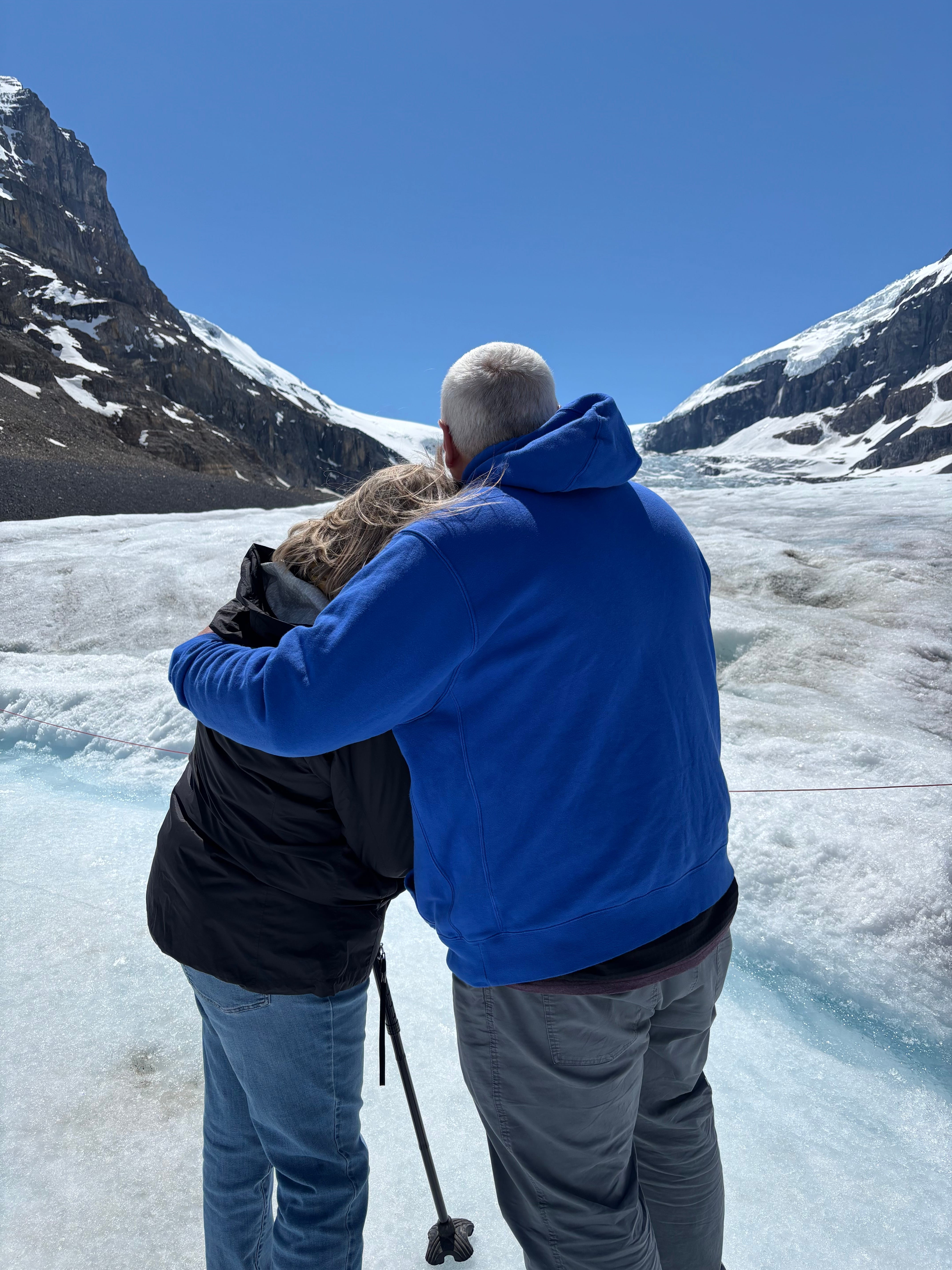
I have experienced the freeze response many times in the last year. It is hard to understand what is happening in the world. It is easy to be overwhelmed, easy to do nothing. But one of the most compelling things I heard today is that none of us needs to do everything if we all do something grounded in justice and love - a fitting lesson as we celebrate Martin Luther King Jr. Day.
My heart is still beating hard even from the secondhand experience of the simulation! Thank you. Amy.
So many thoughts for your every essay. My husband & I have also had observer training. But it’s becoming dangerous to know what to do. One of our Latino sources told us of someone who came to her describing how he had been taken by a young Latina employee in a Walmart vest to a room where officials in uniform accused him of stealing bags of grapes. They took his picture, name & address. Didn’t arrest him, but now have his identity. It’s becoming difficult to know how to respond. How to do so with perspective. Yours is always spot-on shaped by your vulnerability & noteworthy perspective. Thank you.